
By trade
Painting and decorating calculators
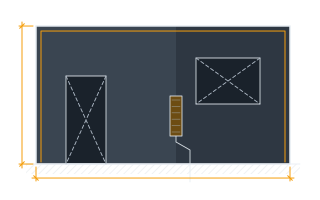
Paint is estimated on an area that is rarely the area of the room and a spread rate that is rarely the one on the tin. Both vary with the surface: a porous new plaster, a textured block and a previously painted wall take markedly different quantities of the same product.
- 20Calculators
- 2Parts of the site
Painting and decorating has a material hub: the Paint hub adds how its quantities are worked out, the documents each market cites, the guides and any takeoffs and worked examples.
How painting and decorating is measured
Square metres per coat divided by a spread rate in square metres per litre — so the number of coats matters as much as the area, and a colour change usually decides how many coats there are. Woodwork and trim are then linear work priced by the metre and estimated by the tin.
Renovation & Construction16
- Block Filler Coverage Calculator
- Ceiling Paint Calculator
- Exterior Paint Calculator
- Masking and Protection Materials Calculator
- Metalwork and Railing Paint Calculator
- Mist Coat Calculator
- Paint Boxing Calculator — Blending Tins Before You Start
- Paint Calculator
- Paint Coverage Over Dark Colours Calculator
- Paint Lightening and Darkening Calculator
- Paint Mix Ratio Calculator — Two Paints, Recordable Parts
- Paint Primer Calculator
- Paint Tint Ratio and Colourant Load Calculator
- Wallpaper Calculator
- Wallpaper Paste Calculator
- Woodwork Paint Calculator
Materials & Quantities4
What gets left off a painting and decorating order
- The first coat on a new surface, which is a different product at a different rate and is often thinned.
- Coverage over a strong colour: the tin's rate assumes an ordinary change, and a dark base can add a whole coat.
- Spray transfer efficiency. What lands on the wall is a fraction of what leaves the gun, and the fraction depends on the equipment and the object.
- Sundries — filler, caulk, abrasives, masking and dust sheets — which on a decorating job is a real proportion of the material cost.
Job takeoffs32
Where decorators meet the rest of the job: each runs one of these calculators, with every other trade in the same job beside it.
- Air-source heat pump replacing a boiler
- Basement or cellar conversion
- Cavity wall insulation (retrofit fill)
- Central heating replacement
- Chimney breast removal
- Damp remediation and replastering
- EV charger installation
- Exterior repaint of a house
- External door replacement, with its frame
- External wall finish
- External wall insulation (EWI, EIFS)
- Fitted wardrobe
- Flat roof replacement (warm roof)
- Floor sanding and refinishing
- Full house rewire
- Garage conversion
- Garden room or backyard office
- Internal wall removal
- Kitchen refit
- Loft conversion with a dormer
- Loft room with rooflights
- New window or door opening in an outside wall
- Party wall soundproofing
- Pitched roof re-covering
- Plaster a room
- Porch addition
- Rainscreen cladding on battens
- Repaint a room
- Room fit-out
- Staircase replacement
- Wet underfloor heating in an existing floor
- Whole-house ventilation (MVHR or HRV)
Worked examples3
A real job estimated step by step, with this trade's steps counted.
Calculator examples3
One job through one of this trade's calculators, with the calculator's own working shown step by step.
Comparisons3
Two ways of doing the same work, weighed against each other.
Planners5
Work this trade out from a space rather than from a job.